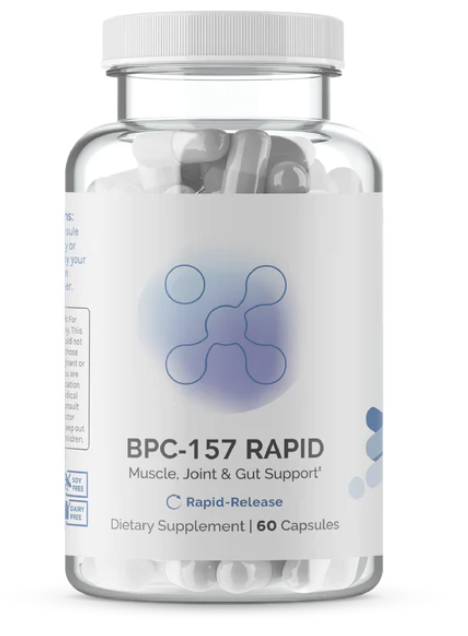
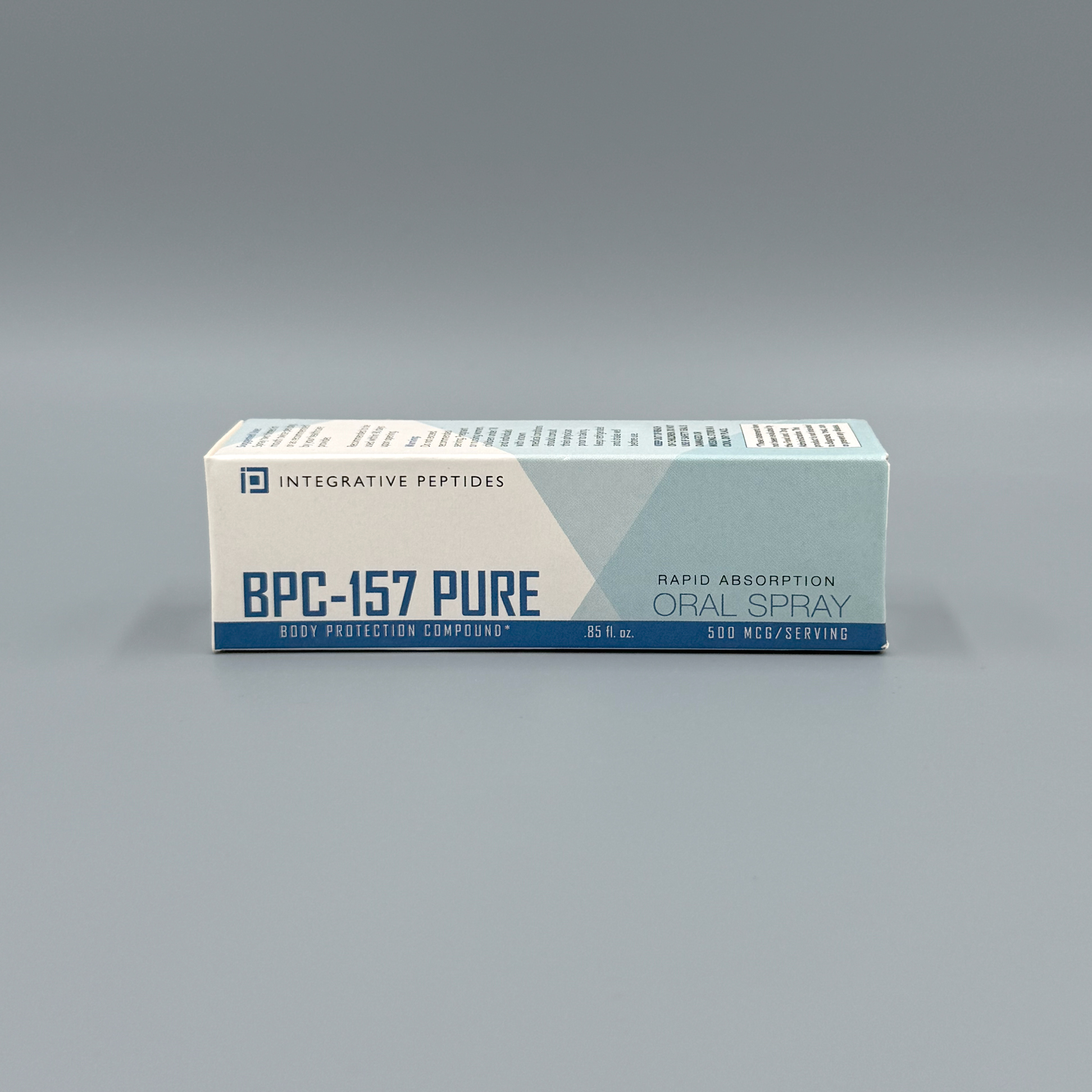
Identical to retail product
Complementary Mechanisms The appeal of combining cagrilintide with tirzepatide lies in their complementary but non-overlapping mechanisms: Tirzepatide Actions: GIP receptor activation Enhanced insulin secretion, potential fat metabolism benefits GLP-1 receptor activation Glucagon suppression, gastric emptying delay, appetite reduction Dual incretin effect Synergistic metabolic benefits Cagrilintide Actions: Amylin receptor activation Independent satiety signaling Area postrema stimulation Central appetite suppression Gastric emptying delay Complementary to but distinct from GLP-1 effects Potential Synergistic Effects Theoretical synergies might include: Enhanced satiety through multiple independent pathways Greater weight loss than either peptide alone Improved glycemic control through complementary mechanisms Broader metabolic benefits affecting multiple systems Potential for lower doses of each component while maintaining efficacy Challenges of Combination Approaches However, combination therapy also presents challenges: Compounding side effects Overlapping GI symptoms may be additive Complex titration Optimizing two peptides simultaneously is more challenging Cost considerations Two peptides are more expensive than one Adherence complexity Multiple injections may reduce compliance Unknown interactions Long-term safety of combinations requires study These factors explain why combination approaches require careful research and clinical validation before widespread adoption
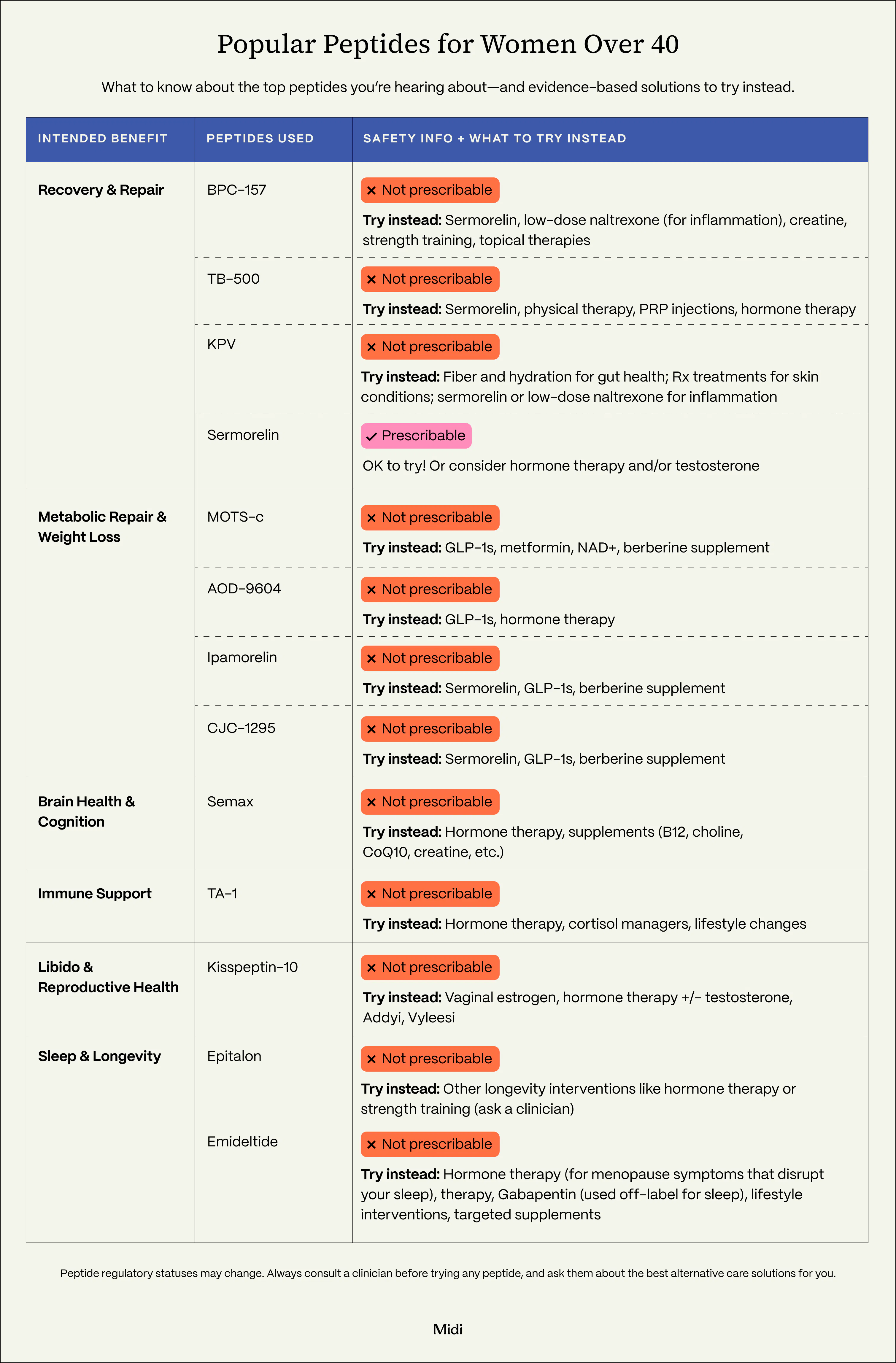
Despite the safety concerns, Varney said she continues to encounter patients who use unregulated peptides
Which Peptides Are Expected to Return and What the Science Says Which Peptides Are Expected to Return and What the Science Says Based on the February 2026 announcement and analysis from compounding pharmacy associations and regulatory experts, approximately 14 of the 19 restricted peptides are expected to return to Category 1 status
Rarely reported symptoms associated with excessive B12 intake may include: Skin reactions : Acne-like eruptions or rosacea-type dermatitis have been occasionally reported, particularly with high-dose intramuscular injections Gastrointestinal disturbance : Mild nausea, diarrhoea, or abdominal discomfort, though these are uncommon Headache : Infrequent reports of headaches following parenteral B12 administration Hypersensitivity reactions : In very rare cases, allergic reactions to injectable B12 preparations have been documented It is crucial to note that there is no established link between standard B12 supplementation and serious adverse effects