Semaglutide Semaglutide was originally developed as a medication to help regulate insulin production in people with Type 2 Diabetes

Your doctor will conduct a comprehensive clinical assessment including: Detailed medication and supplement history , including over-the-counter vitamins and injections Review of symptoms suggesting liver, kidney, or haematological disease Physical examination for hepatomegaly, splenomegaly, jaundice, or lymphadenopathy Additional blood tests , such as full blood count, liver function tests, renal function, and inflammatory markers Depending on initial findings, further investigations may include: Liver ultrasound or imaging if hepatic pathology is suspected Haematology referral for blood film examination, bone marrow biopsy, or specific tests for myeloproliferative disorders Measurement of holotranscobalamin or methylmalonic acid if functional B12 status needs clarification despite high total B12 Targeted investigations based on clinical findings and following NICE guidance for suspected serious conditions Treatment focuses on addressing the underlying cause rather than the elevated B12 itself
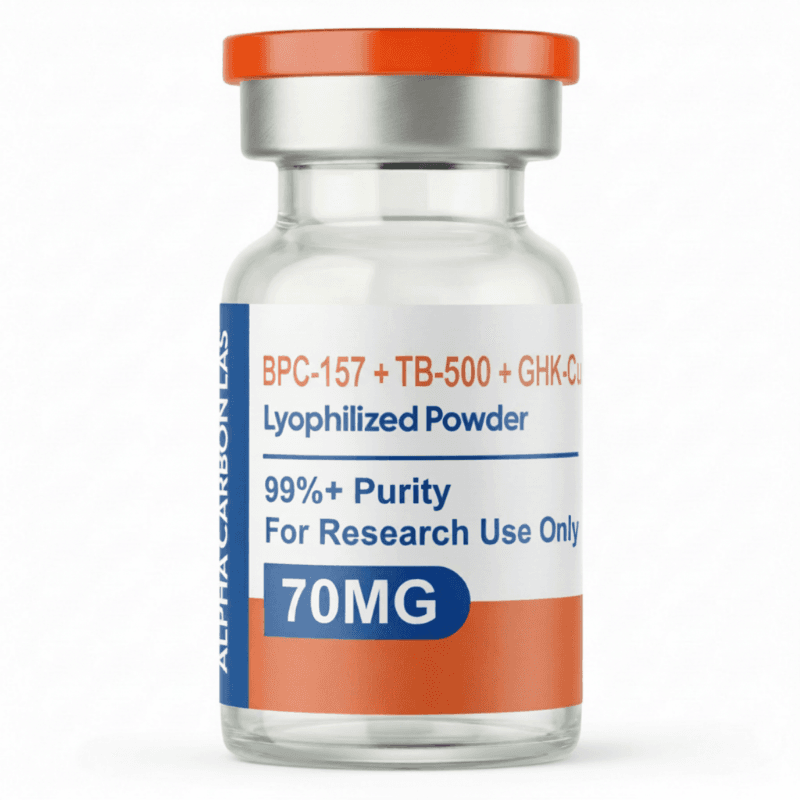
Injection-Related Risks : Subcutaneous or intramuscular injections may result in redness, swelling, bruising, or discomfort at the injection site
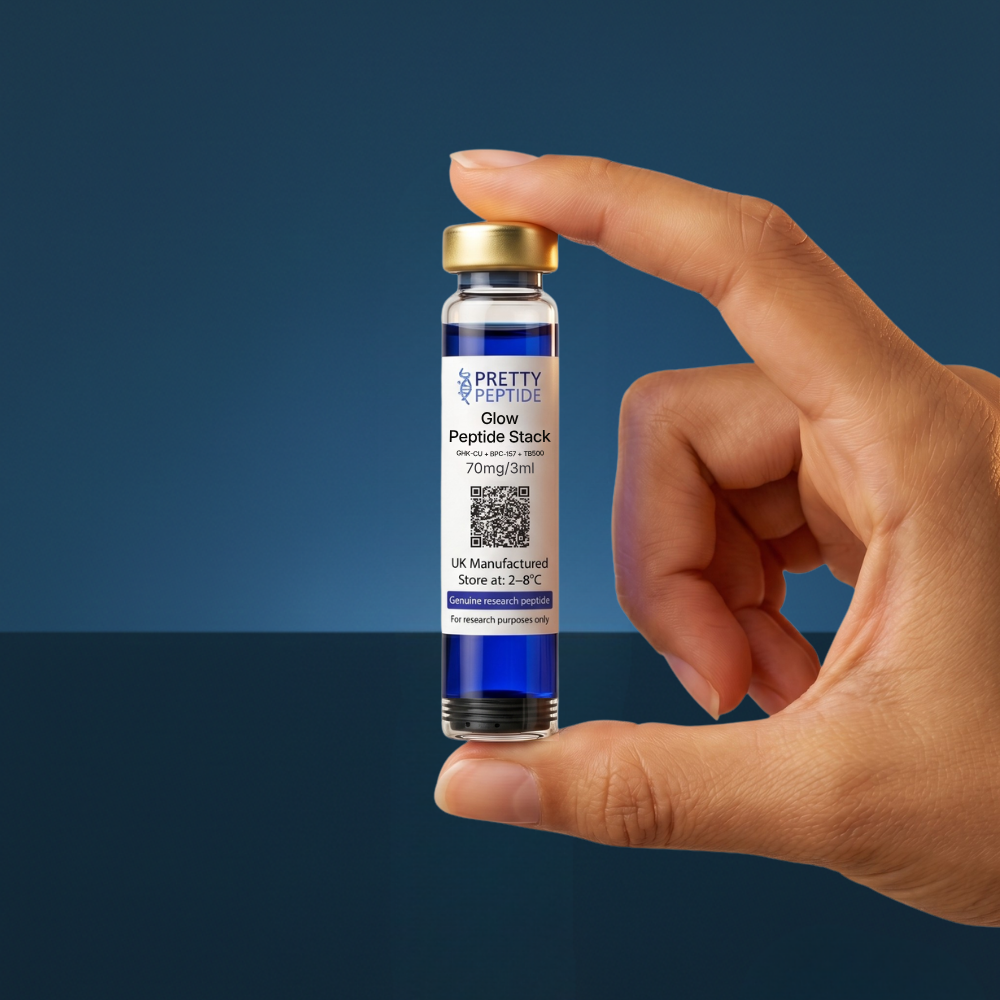
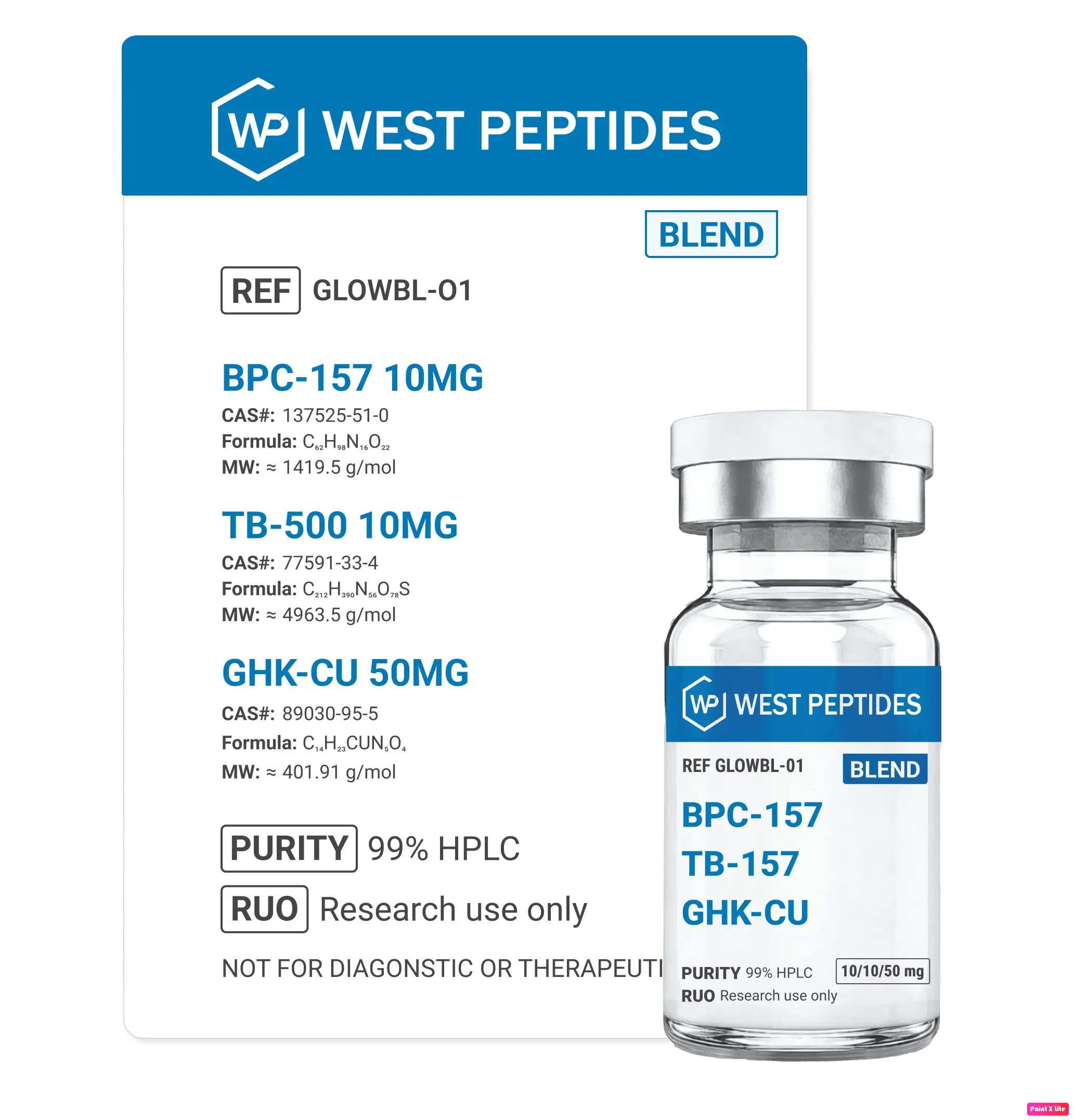
Both BPC-157 and TB-500 are classified as research chemicals
Clinically relevant 50 mg strength High-purity pharmaceutical-grade compound Backed by preclinical metabolic science Integrates well with NAD optimization and fat-loss regimens No known hormonal effects