Yes, B-12 injections are generally safe when administered by a qualified healthcare professional
Parenteral (non-oral) administration is faster and more efficient than oral supplements and is recommended for the initial or continued treatment of B12 deficiency
However, it only increases the percentage of the EFSAs acute reference dose (ARfD) of 20 g/kg body weight from 7.4% to 8.9% (lower bound) or from 13% to 15% (upper bound), which is negligible for people with normal kidney function
The patient may require longer observation periods depending on the medication they receive Provide education to the patient and their family on signs and symptoms to monitor for, e.g., pain, redness, abscess, bruising at the site or anaphylaxis Warm or cold compresses can be applied to the area for comfort Companion documents Procedure Management Guideline Allergic and anaphylactic reactions RCH Policy and Procedure: Medication Management RCH Policy and Procedure: Hazardous Medicines - Safe handling of How to don and remove Personal Protective Equipment (PPE) Links The Australian Immunisation Handbook (health.gov.au) Evidence table The evidence table for this guideline can be accessed here
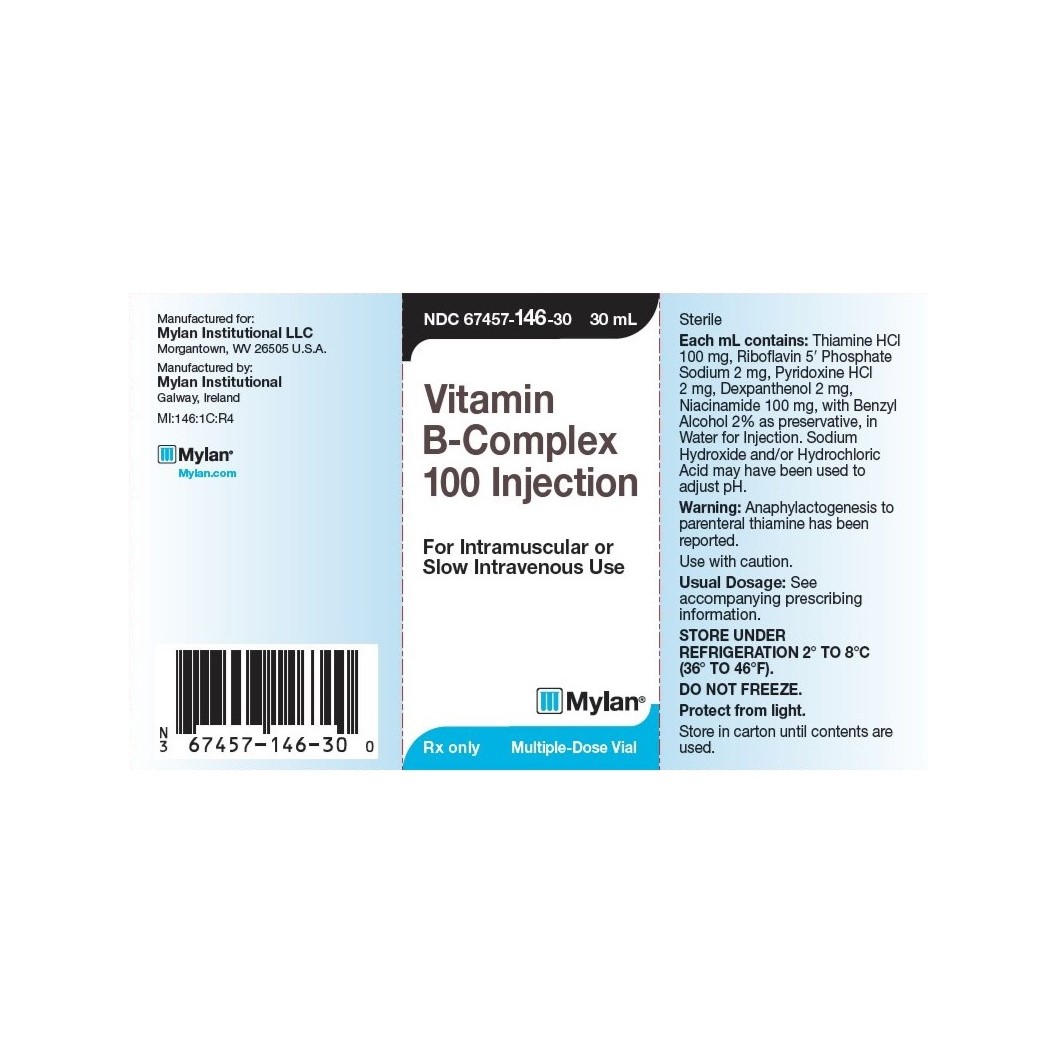
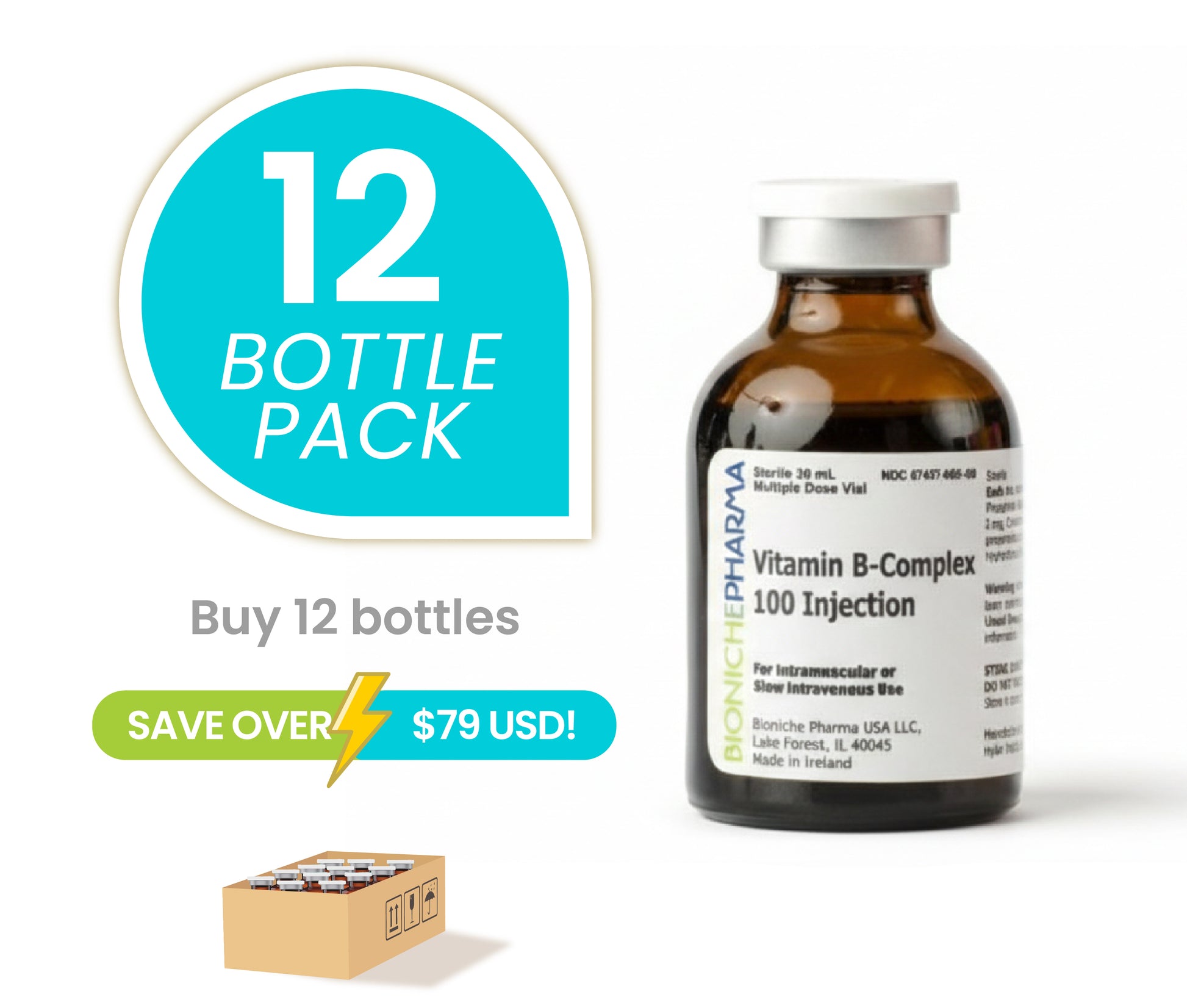
Proper Dosage and Storage for vitamin b complex im Getting the dosage and storage right for vitamin b complex im injections is about both effectiveness and safety